
How I Got Into a Fully Funded MFA Program: My Exact UC Berkeley Portfolio and Statements
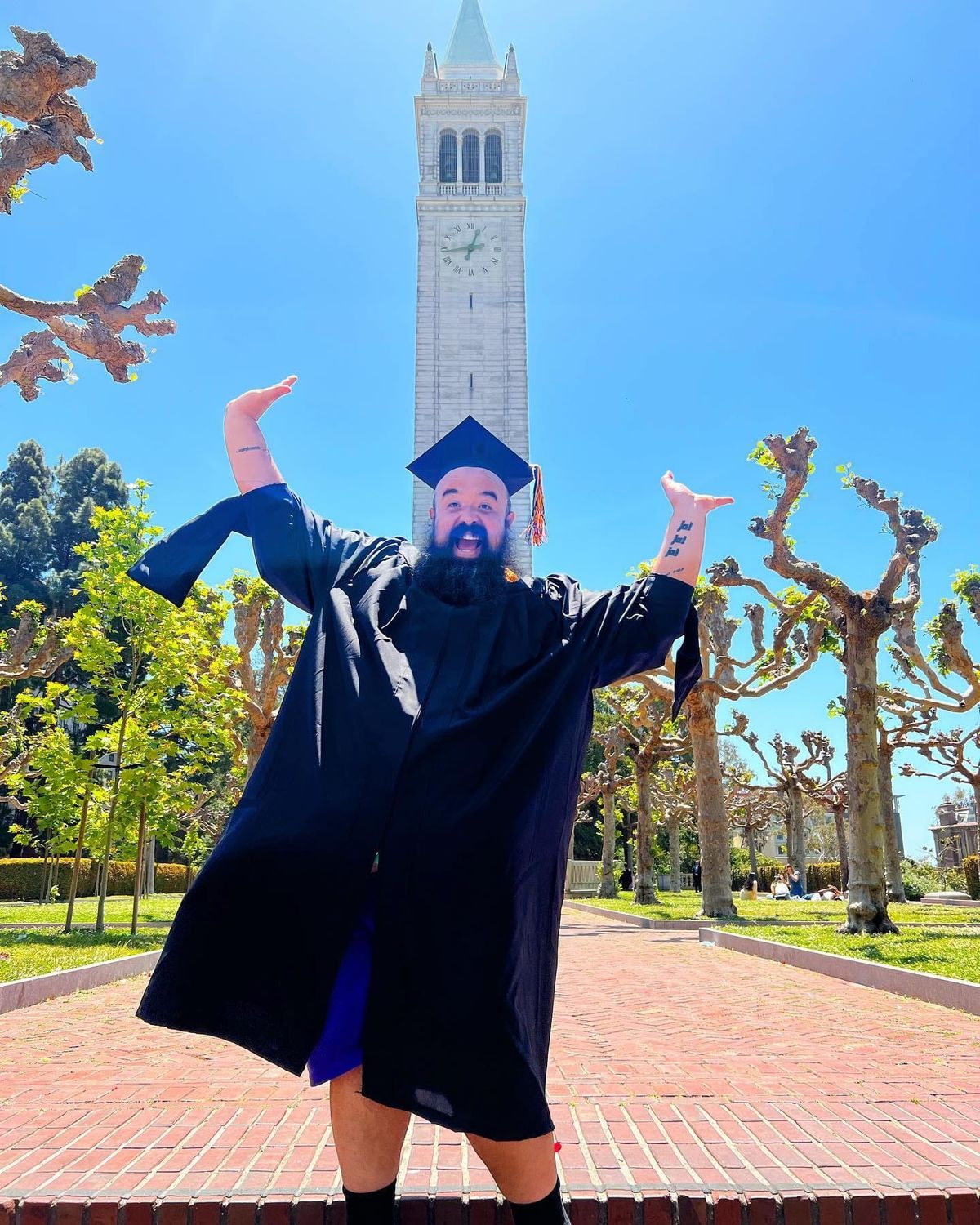
If you are applying to MFA programs, you already know how isolating the process can feel. You spend months agonizing over your portfolio, trying to decode what institutions want, only to be met with silence, rejection, or—perhaps worst of all—an acceptance letter attached to massive, life-altering student debt.
Many artists give up or take on predatory loans because the "rules" of academic gatekeeping are rarely spoken out loud. I know exactly how that feels, because it took me years of applying before I ever landed a single interview.
When I went to graduate school for my counseling degree years ago, I had to take on significant student debt to get through it. I knew that if I was going to pursue an MFA in Art, I absolutely could not do that again. I needed a program that would actually support my practice, not penalize it.
That is why UC Berkeley's MFA in Art Practice is such a coveted program. It is fully funded. It provides teaching opportunities. It offers a living stipend. I was able to attend, graduate, and build my practice without accruing a single cent of new debt.
Because I know firsthand how rare and life-changing that kind of structural support is, I believe it is my responsibility to share the keys to the door.
The Portfolio That Got Me In
Before we get to the writing, we have to talk about the visuals. Your portfolio is what stops the admissions committee from skipping to the next applicant.
A while ago, I recorded a completely free, public video breaking down the exact art portfolio I submitted to UC Berkeley. Since posting it, I’ve had nearly a dozen artists reach out to tell me that simply watching this breakdown helped them secure interviews and get accepted into their dream colleges and programs.
Before you read my statements, I highly recommend watching the portfolio breakdown here:
The Writing That Sealed the Deal
Your portfolio gets their attention, but your cover letter and personal statement are what actually get you the interview. The writing is where you prove that you know who you are, what your work does, and why this specific program is the only place you can do it.
Writing these documents is often the hardest part for multi-hyphenate, interdisciplinary, or unconventional artists. How do you translate mutant magic into academic language without losing your soul in the process?
To help you do exactly that, I am opening the vault.
Below, I am sharing the exact, unedited Cover Letter and Personal Statement I submitted to UC Berkeley, which ultimately won me a fully-funded spot in their MFA program. I am sharing this with my paid Mutant Magic members so you can see exactly how I structured my narrative, how I spoke about my practice, and how I positioned my weird, wonderful, interdisciplinary work for an institutional audience.
If you are applying to residencies, grants, or MFA programs, this is your blueprint.